







By Matters India Reporter
Imphal May 13, 2026: Catholic Archbishop Linus Neli of Imphal issued a heartfelt plea for peace and reconciliation Wednesday after gunmen ambushed vehicles carrying church leaders of the Thadou Baptist Association in Manipur, killing several pastors and critically injuring others.
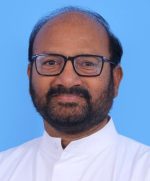
In a letter titled “Appeal for Peace and Calm” dated May 13, Archbishop Neli said he was “deeply sorrowful and grieved” by the attack between Kotzim and Kotlen villages in Kangpokpi district.
He condemned the violence as “tragic and senseless,” urging communities to “act with wisdom and fairness to restore peace and confidence.”
“We must embrace dialogue, forgiveness, reconciliation, and restraint,” Neli wrote, adding that the Church prays for “comfort, healing, and lasting peace in Manipur.” His message, signed with the official seal of the Archdiocese of Imphal, called on authorities to respond with justice and compassion.
The ambush, which targeted leaders of the Kuki Baptist community, has sent shockwaves across India’s northeast, a region long scarred by ethnic and religious conflict.
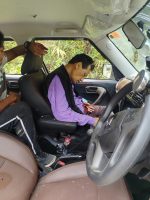
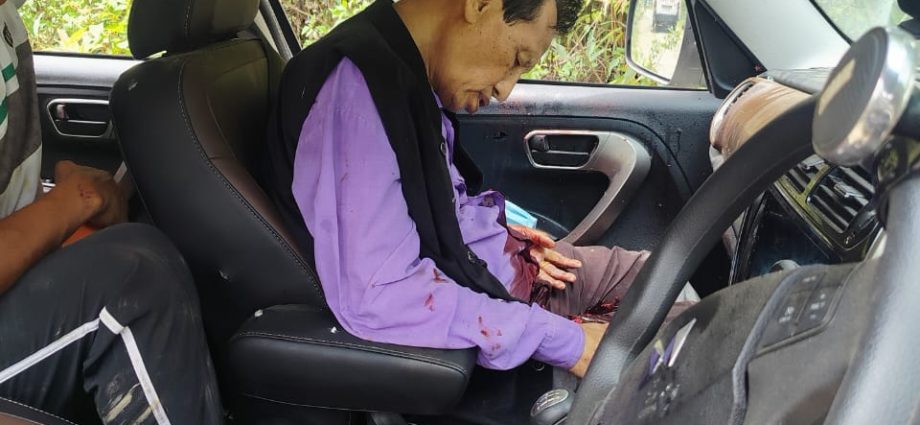
On May 13, gunmen ambushed a convoy of Kuki Baptist Christians traveling between Kangpokpi and Lamka in Manipur, killing three pastors and wounding several others.
Pastor Vumthang Sitlhou, president of the Thadou Baptist Association, along with Pastors V. Kaigoulun and Paogou, were slain in the attack around 10 a.m. Four other pastors and two drivers were seriously injured.
The Kuki community alleged an armed Naga group carried out the assault. Authorities said the investigation is ongoing.
The Catholic Bishops’ Conference of India (CBCI) expressed “deep sorrow and grief” over the May 13 ambush on Thadou Baptist Association leaders in Kangpokpi district.
“We are heartbroken by this painful incident in which innocent lives were lost and several others were injured,” the bishops said. Condemning the attack as “heinous,” the CBCI warned that “violence only deepens wounds, prolongs suffering, and weakens the bonds that unite our communities.”
Echoing Archbishop Linus Neli’s appeal, the bishops urged restraint, dialogue, and reconciliation, while calling on authorities to act “with wisdom, fairness, and sensitivity so that peace with justice may prevail.”
“My God, my God, why have you forsaken me?”
In Guwahati, the United Christian Forum of North East India (UCFNEI) expressed “profound shock, pain, and anguish” at the killings.
“This brutal and inhuman act of violence has claimed the lives of innocent servants of God who dedicated their lives to peace, service, and the spiritual upliftment of their communities,” spokesperson Allen Brooks said in a press release.
The forum described the slain pastors as “pillars of hope, reconciliation, and moral guidance” and mourned their “martyrdom.” It cited Scripture to capture the depth of grief, quoting Psalm 22:1: “My God, my God, why have you forsaken me? Why are you so far from saving me, so far from my cries of anguish?”
UCFNEI condemned the ambush as “cold-blooded” and “profound evil,” stressing that “no political or ethnic grievance can ever justify the murder of unarmed Pastors and Church workers traveling on a public road.”
The forum urged the Government of India and Manipur authorities to “immediately launch a thorough, impartial, and time-bound investigation” and to “bring the perpetrators, irrespective of their affiliation, to justice without delay.”
It also called for protection of vulnerable Christian communities and for dialogue to prevent further escalation.
Quoting Jesus’ words in Matthew 5:9 — “Blessed are the peacemakers, for they will be called children of God” — the forum said the killings were not only an assault on individuals but “an attack on the Christian faith, on the sanctity of life, and on the very fabric of brotherhood/sisterhood in North East India.”
Church leaders across denominations have been urged to unite in prayer, fasting, and peaceful advocacy. “Let this tragedy not divide us further but strengthen our resolve to stand against violence in the name of Christ,” the forum said, quoting John 14:27: “Peace I leave with you; my peace I give you.”
The United Christian Forum pledged solidarity with the families of the slain, the Kuki Baptist community, the Manipur Baptist Convention, and the Kuki Church Leaders Forum. “The Lord is close to the brokenhearted and saves those who are crushed in spirit,” it said, citing Psalm 34:18.
Ethnic quagmire of violence and hostility
Earlier, the All Manipur Christian Organization (AMCO) condemned violence in Manipur, calling for peace, reconciliation and restraint among communities as the state grapples with unrest and loss of life.
In a press statement issued April 26, AMCO described Manipur as “suffering from social unrest and misery” and denounced the killing of civilians. The organization expressed “condolences to bereaved families” and appealed for unity in the face of tragedy.
Manipur remains trapped in an ethnic quagmire where violence and hostility persist despite peace efforts, according to The Hindu newspaper. A bombing on April 7 in Bishnupur district killed two children, triggering renewed clashes, protests, and deaths, with disinformation further fueling the cycle of unrest.
Recent violence marks a grim moment in the third year of Manipur’s unrest. Since clashes erupted on May 3, 2023, between the Meitei majority in the Imphal Valley and the Kuki Zo tribal community in the surrounding hills, more than 258 people have been killed and at least 60,000 displaced, according to government figures.
The conflict began after the Manipur High Court issued an order in April 2023 that appeared to support Scheduled Tribe status for the Meitei community, sparking protests and counter rallies.
What followed was a cycle of house burnings, retaliatory attacks, and armed confrontations that destroyed homes, restricted movement, and disrupted livelihoods across the state.
Three years on, Manipur has entered a deeply troubling phase of communal disturbances. Attention has shifted from when the violence might end to what it will take to bring it under control — and what role the state is playing in that effort.
(Photo supplied)